
Imagine this moment.
You open a small box.
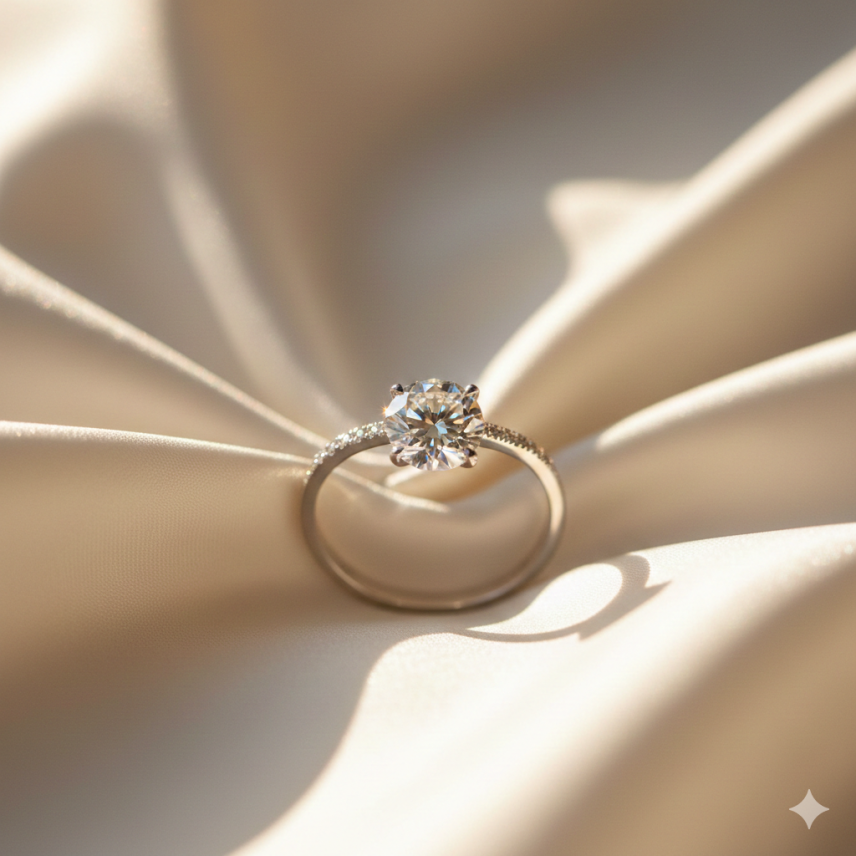
The ring catches the light.
It looks luxurious, timeless, unforgettable.
And yet, somewhere in your mind, a quiet fear lingers:
“Did I pay too much for this?”
For most people, buying a diamond ring is not just a purchase—it’s an emotional decision wrapped in pressure, expectations, and confusion. Everyone wants a ring that looks expensive, feels special, and lasts forever. But no one wants to overpay or regret their choice later.
This guide is written for exactly that moment.
If you want a premium-looking diamond ring without overspending, this is your calm, honest, expert-backed path forward.
How Can You Buy a Diamond Ring That Looks Expensive Without Overpaying?
You can buy a diamond ring that looks expensive without overpaying by prioritizing cut quality, choosing smart settings, opting for slightly lower carat weights, and considering lab-grown diamonds. Design, proportion, and craftsmanship create luxury—price alone does not.
What Actually Makes a Diamond Ring Look Expensive?
Here’s a truth most buyers learn too late:
Price does not create luxury. Perception does.
A diamond ring looks expensive because of how it reflects light, how it sits on the hand, and how thoughtfully it is designed—not because of how much it cost.
Cut: The Real Secret Behind Sparkle
Cut is not about shape.
It’s about how well a diamond interacts with light.
A smaller diamond with an excellent cut can outshine a larger diamond with a poor cut. This is why many rings that look expensive are not actually high-carat—they’re simply cut to perfection.
When a diamond sparkles intensely, the eye assumes luxury.
Design: Simplicity Often Signals Wealth
Think about high-end jewelry houses.
Their designs are rarely loud.
Clean lines, balanced proportions, and thoughtful details make a diamond ring feel timeless rather than trendy. A well-designed affordable diamond ring can look far more refined than a flashy, oversized piece.
Setting: The Illusion of Size and Value
The setting is where smart buyers win.
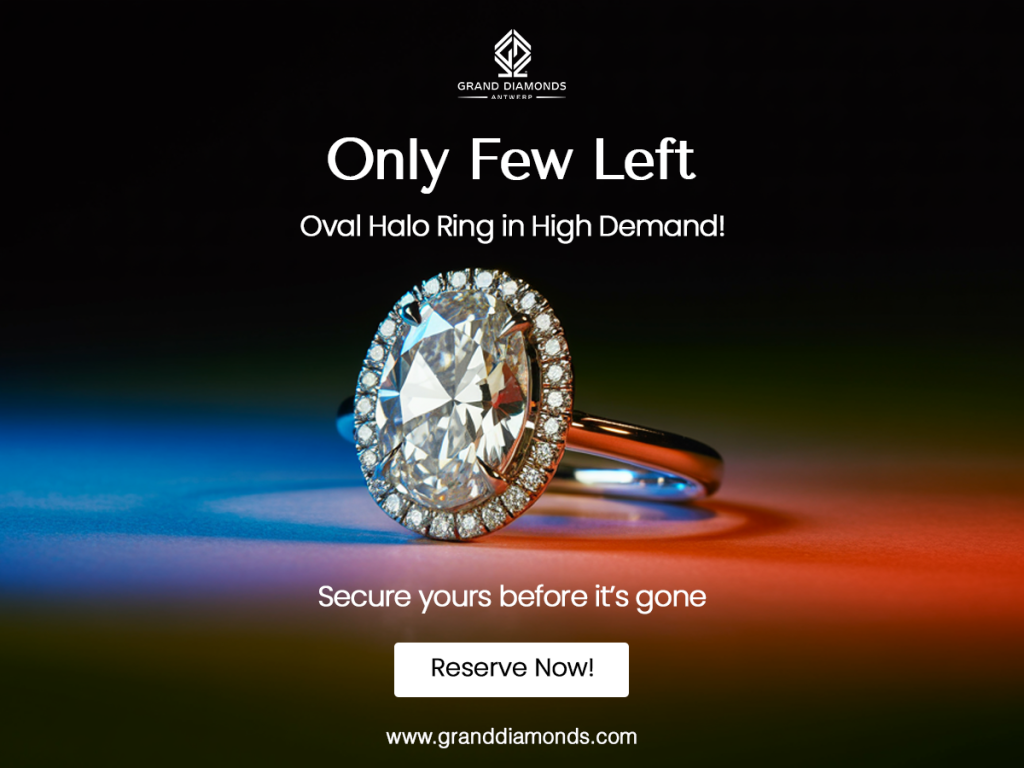
Certain settings—like halos, pavé bands, and cathedral styles—visually enhance the center diamond. They make the ring look larger, brighter, and more expensive without increasing the actual diamond cost.
This is one of the oldest luxury tricks in the book.
Smart Diamond Buying Secrets Experts Use
Luxury buyers and jewelers don’t shop emotionally.
They shop strategically.
Here’s how they create a diamond ring that looks expensive while staying within a smart budget.
Cut Over Carat—Always
Carat is what people ask about.
Cut is what people notice.
Reducing carat size slightly—say from 1.00 to 0.90—can save a significant amount of money, while no one can see the difference on the finger. But improving cut quality is instantly visible.
This single decision often creates the best diamond ring for budget-conscious buyers.
Choose Shapes That Offer More Visual Size
Some diamond shapes naturally look larger per carat.
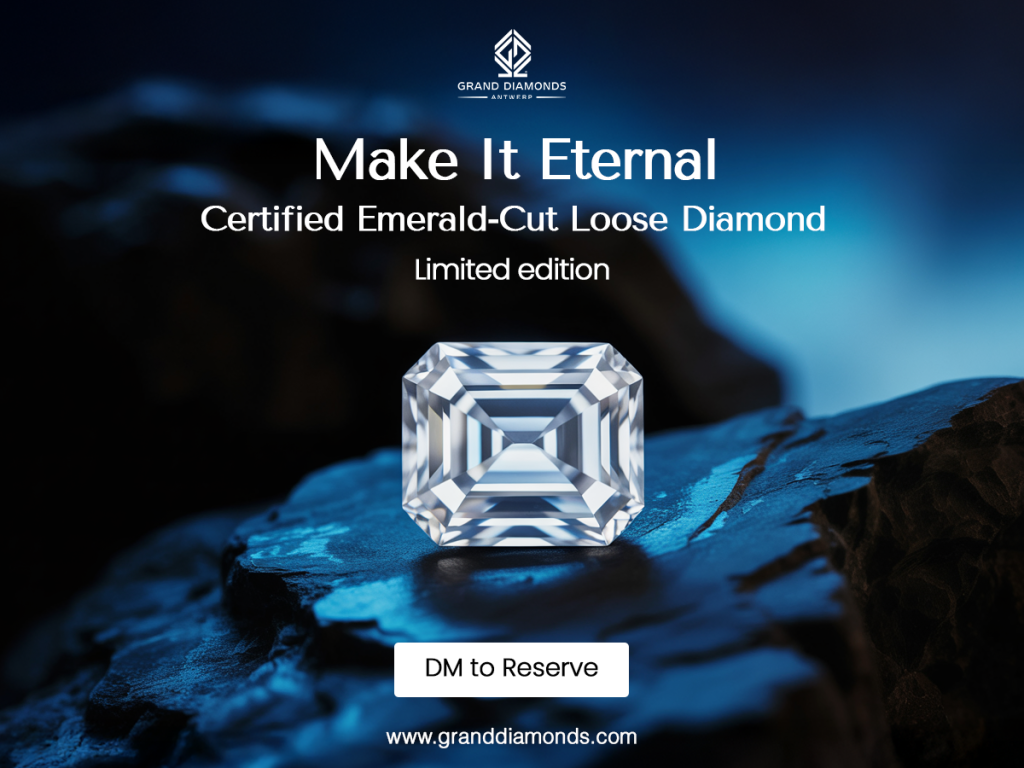
Oval, pear, marquise, and emerald cuts stretch across the finger and give a more dramatic presence than round diamonds of the same weight. This means you get a bolder look without paying more.
Metal Choice Matters More Than You Think
Platinum is beautiful, but it comes at a premium.
High-quality white gold or yellow gold can deliver the same luxurious feel while allowing more of your budget to go toward the diamond itself. The result often looks richer, not cheaper.
Luxury is balance—not excess.
Common Mistakes That Cause People to Overpay for Diamond Rings
Most overpaying happens not because of greed—but fear.
Paying for Carat Weight Instead of Beauty
Many buyers chase numbers because they’re easy to compare. But numbers don’t sparkle—diamonds do.
A slightly smaller, better-cut diamond often looks more impressive than a heavier one with average proportions.
Falling for “Bigger Is Better” Pressure
Social pressure can quietly push people into spending more than they planned. The truth is, a ring that feels elegant and personal will always feel more valuable than one chosen to impress others.
Ignoring Certification and Transparency
A diamond without proper certification is never a bargain. It’s a risk.
Whether natural or lab-grown, certification ensures you’re paying for what you’re actually getting—and nothing more.
Buyer Fears That Stop People from Buying—and the Truth Behind Them
If you feel hesitant, you’re not alone. These fears are incredibly common.
“What if the diamond isn’t real?”
Certified diamonds—both natural and lab-grown—are graded using the same international standards. A reputable brand provides documentation that removes doubt entirely.
“What if the quality looks low in real life?”
Quality is not about size.
It’s about brilliance, symmetry, and setting.
A thoughtfully designed ring will always look refined, even up close.
“Is buying online safe?”
Today’s trusted luxury jewelers offer detailed images, transparent certifications, resizing options, and return policies. Online buying is often more transparent than traditional retail—without showroom markups.
“What about resale value?”
While natural diamonds traditionally hold resale value, many buyers today prioritize emotional value and visual beauty over resale. The smartest choice is the one that feels right—not hypothetical future pricing.
Lab-Grown vs Natural Diamonds: Which Gives Better Value?
This is one of the most searched questions in any diamond ring buying guide—and for good reason.
Visually, There Is No Difference
Lab-grown diamonds are chemically, physically, and visually identical to natural diamonds. Even experts need specialized equipment to tell them apart.
A diamond ring with a lab-grown center can look just as expensive—often more—because buyers can afford better cut and design within the same budget.
Value Perspective
Natural diamonds carry rarity and tradition.
Lab-grown diamonds offer exceptional value and allow buyers to maximize beauty without overpaying.
For many modern couples, lab-grown vs natural diamonds is less about right or wrong—and more about priorities.
Frequently Asked Questions (People Also Ask)
How much should I spend on a diamond ring?
There is no fixed rule. A smart budget is one that allows you to choose quality, certification, and timeless design—without financial stress.
Do affordable diamond rings look cheap?
Not at all. When cut, setting, and design are chosen wisely, affordable diamond rings can look just as luxurious as high-priced ones.
Which diamond shape looks the most expensive?
Oval, emerald, and cushion cuts often appear larger and more elegant per carat, making them popular choices for a luxury look.
Is a halo setting a good way to save money?
Yes. Halo settings enhance brilliance and size perception, allowing the center diamond to look larger without increasing carat weight.
Are lab-grown diamonds suitable for engagement rings?
Absolutely. They are durable, beautiful, and visually identical to natural diamonds—making them an increasingly popular choice for engagement rings.
A Thoughtful Ending: Confidence Is the Real Luxury
A diamond ring is not about proving anything to anyone else.
It’s about how it feels when you look at it.
How it feels years later.
How it feels knowing you made a smart choice, not a pressured one.
Luxury is not overspending.
Luxury is confidence, clarity, and timeless value.
When you understand what truly makes a diamond ring look expensive, you stop chasing price tags—and start choosing with intention.
A Gentle Next Step
If you’re ready to explore diamond rings designed to look luxurious without unnecessary markups, take your time.
Look for thoughtful craftsmanship, transparent guidance, and designs that feel meant for your story—not someone else’s expectations.
Because the most beautiful ring is the one you’ll never second-guess. 💎